53% Market Expects SBP to Increase Key Interest Rate Next Week
Intelligence report synthesized for precision. Verified source updates below.
Detailed Report
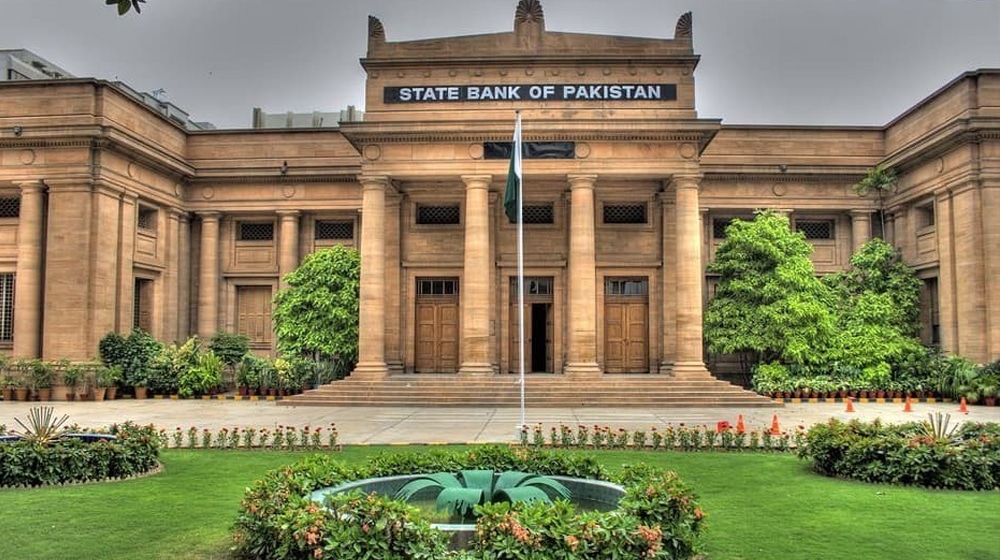
The State Bank of Pakistan (SBP) will convene its third Monetary Policy Committee (MPC) meeting of 2026 on April 27, with financial market participants increasingly anticipating an interest rate increase amid ongoing geopolitical tensions and rising global oil prices.
A recent survey conducted by Topline Securities shows that 53% of respondents expect the central bank to raise the policy rate in the upcoming review. Among those predicting a hike, 41.2% foresee an increase of 50 to 100 basis points, while 10% expect a smaller adjustment of 25 to 50 basis points. Around 2% anticipate a hike exceeding 100 basis points.
Meanwhile, 47% of participants do not expect monetary tightening. Of this group, 43% believe the SBP will keep rates unchanged, while only 4% foresee a rate cut ranging between 50 and 100 basis points.
Market sentiment has shifted notably compared with the previous MPC survey, when 92% of respondents expected no change in interest rates as regional tensions had just begun. Analysts attribute the evolving outlook to sustained uncertainty surrounding the ongoing conflict involving Israel, the United States, and Iran, which has now persisted for nearly two months, alongside elevated international crude oil prices.
Topline Securities expects the SBP to increase the policy rate by 50 basis points, arguing that tighter monetary conditions may be needed to offset inflationary risks linked to higher energy costs, limit spillover effects on domestic prices, and discourage non-essential imports.
On the duration of the conflict, 54.9% of survey participants believe tensions could continue for more than two weeks. Another 20% view the situation as unpredictable with no clear timeline for resolution, while 26% expect the conflict to ease within two weeks.
Signals from secondary markets also suggest expectations of a modest policy adjustment. Yields on six-month Treasury bills and the six-month Karachi Interbank Offered Rate (KIBOR) are currently trading around 11.22% and 11.44%, respectively, compared with the existing policy rate of 10.5%.
Both indicators had earlier climbed to highs near 11.78% and 11.79% before easing following a ceasefire announcement, indicating that investors are pricing in a limited rate hike rather than an aggressive monetary tightening cycle.
Long overdue. They should’ve increased rates 2 months ago