
Pakistan Faces Summer Power Shortfall as LNG Supplies Dry Up; Tariff Hikes and Load-Shedding Likely
Intelligence report synthesized for precision. Verified source updates below.
Detailed Report
Authorities are preparing contingency plans as imports of liquefied natural gas (LNG), which account for more than one-fifth of the country’s electricity generation, are expected to fall to near zero from next month, even if the conflict involving Iran subsides quickly. The availability of imported and domestic coal, which together account for nearly 30% of the power mix, is also projected to remain constrained.
The government is increasingly relying on furnace oil as a replacement fuel during peak demand, despite its significantly higher cost. Power generation using imported LNG and coal cost roughly Rs. 20 and Rs. 13.5 per unit, respectively, in February, compared with Rs. 35 per unit for furnace oil. Officials warned that furnace oil prices have surged further following disruptions in the Strait of Hormuz and attacks on Middle Eastern refineries.
About 5,000 megawatts of capacity from four LNG-based plants, among the country’s most efficient facilities, may remain underutilized, potentially pushing fuel cost adjustments higher by an estimated Rs. 10 to Rs. 12 per unit. The report said such increases would be difficult to fully pass on to consumers, particularly export-oriented industries.
High-speed diesel, another fallback fuel, is unlikely to be used for electricity generation due to its steep cost, now estimated to exceed Rs. 80 per unit, and strong demand from the transport and agriculture sectors during the harvest season.
Pakistan’s summer peak electricity demand typically reaches 27,000 to 28,000 megawatts, compared with current peak usage of less than 14,000 megawatts. Increased rooftop solar adoption has helped reduce grid demand during daylight hours, though pressure is expected to intensify in the evening peak.
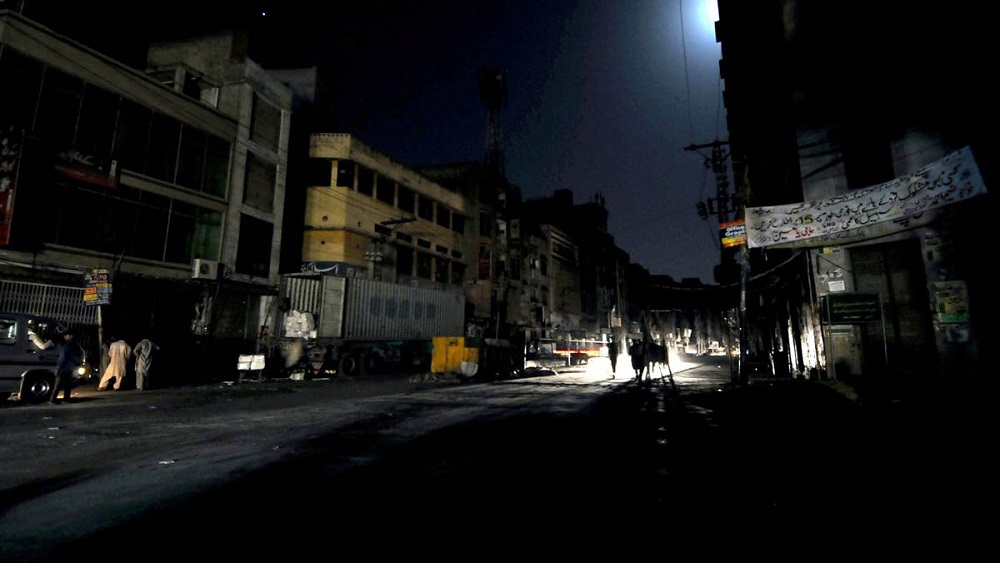
Officials said furnace oil-fired plants could be deployed selectively because of their ability to ramp up quickly. Even so, the government is preparing for average daily load-shedding of two to three hours, depending on fuel availability, alongside stricter conservation measures and higher charges through the fuel cost adjustment mechanism.
Gas availability for power generation is also tightening. Supplies are expected to drop to about 80 million cubic feet per day from April, down from roughly 150 mmcfd in March. Authorities are considering suspending gas supply to compressed natural gas stations and diverting part of the fertiliser sector’s allocation to the power sector.
Separately, disputes between Pakistan Railways and two major coal-fired plants, Sahiwal and Jamshoro, are threatening an additional 1,500 to 1,800 megawatts of generation capacity. Officials warned that fuel inventories at the plants are sufficient for only three to seven days and could trigger another 2.5 to 3 hours of load-shedding if supplies are disrupted.
Together, the two facilities currently produce about 1,500 to 2,000 megawatts and are considered critical for grid stability, particularly Sahiwal, due to its proximity to major demand centers.
Rail transport disruptions have prevented coal loading for the Sahiwal plant and limited wagon availability for Jamshoro. While Jamshoro has secured regulatory approval to shift coal transport to trucking, Sahiwal is still in the tendering phase, a move expected to raise generation costs and ultimately consumer tariffs.
Officials said the issue has been raised with the power minister and may require intervention from the railways ministry or the prime minister’s office, as the government races to secure fuel supplies ahead of peak summer demand.