
NADRA Declares Digital ID Cards Legally Equal to Physical CNICs
Intelligence report synthesized for precision. Verified source updates below.
Detailed Report
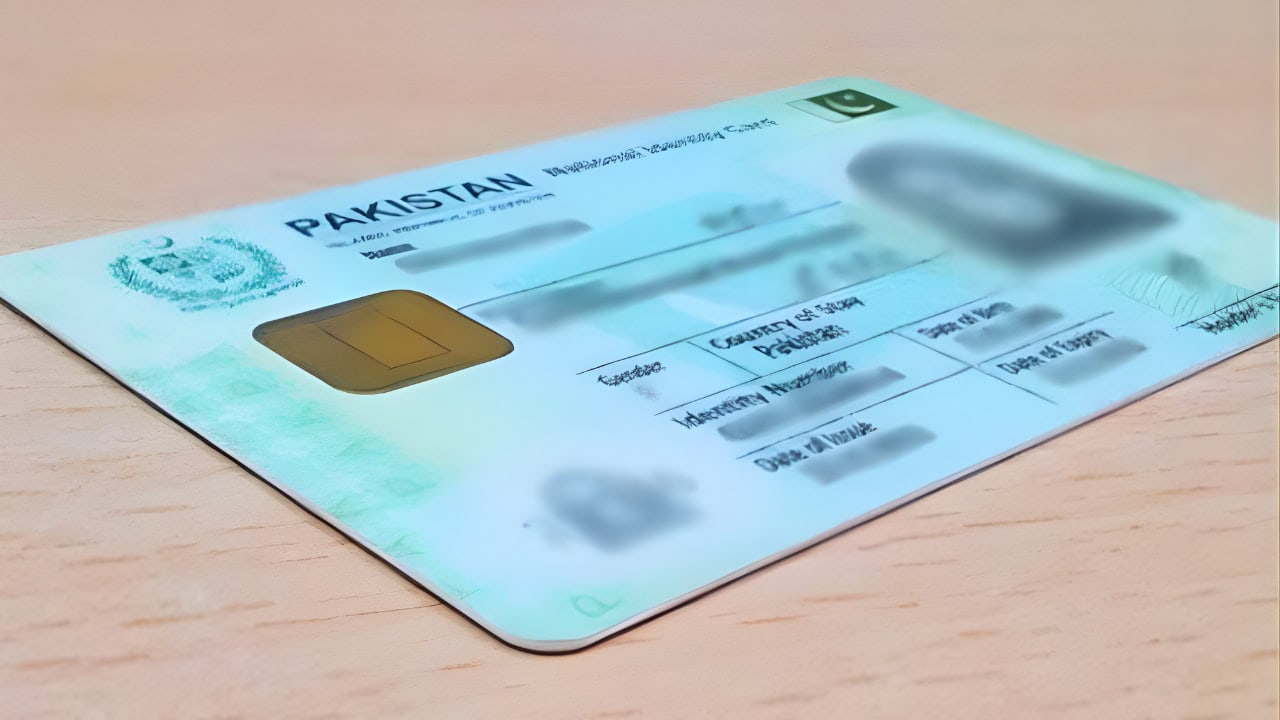
The National Database and Registration Authority (NADRA) just issued a definitive clarification. Digital identity cards now hold the exact same legal validity as physical CNICs.
Currently, some government offices and institutions still demand physical cards or photocopies. Consequently, a NADRA spokesperson declared this practice completely illegal. It directly violates the established legal and regulatory framework.
Under the NADRA Ordinance, regulations officially recognize digital identity credentials as valid proof of identification. Therefore, NADRA heavily discourages the use of unnecessary photocopies. Moving forward, all government departments, public institutions, financial sectors, and telecom operators must strictly comply with these rules.
Institutions can no longer force you to provide physical copies. If any office rejects your digital identity, you can take action. Citizens should report any violations or complaints directly through NADRA’s official complaint system. This step will actively ensure strict adherence to the new digital ID regulations.
Last year, NADRA officially introduced Pakistan’s first fully digital identity card. The authority announced this milestone during its Silver Jubilee celebrations in Islamabad.
Federal Minister for Interior and Narcotics Control, Mohsin Raza Naqvi, called the launch a major advancement in the nation’s digital identity initiative. Furthermore, NADRA integrated this feature directly into the Pak ID mobile app. As a result, citizens can now securely store their identity cards directly on their smartphones.
Bioscientist x Tech Analyst. Dissecting the intersection of technology, science, gaming, and startups with professional rigor and a Gen-Z lens. Powered by chai, deep-tech obsessions, and high-functioning anxiety. Android > iOS (don’t @ me).
Google has released an emergency Chrome update to fix two high-severity vulnerabilities in the browser’s graphics library and JavaScript engine, both of which were already.
New research reveals that lithium dendrites, the microscopic metal growths that cause battery failure and safety hazards, behave more like snapping dry spaghetti than bending.
Pakistan’s National Computer Emergency Response Team has accelerated a sweeping cybersecurity audit of government websites following a fresh wave of hacker attacks targeting state-run digital.
In a fresh twist in the display technology wars, Samsung Electronics has secured a courtroom win in Germany against TCL over what it called misleading.