
US courts clear way for deportations of South Sudan, Myanmar nationals
Intelligence report synthesized for precision. Verified source updates below.
Detailed Report
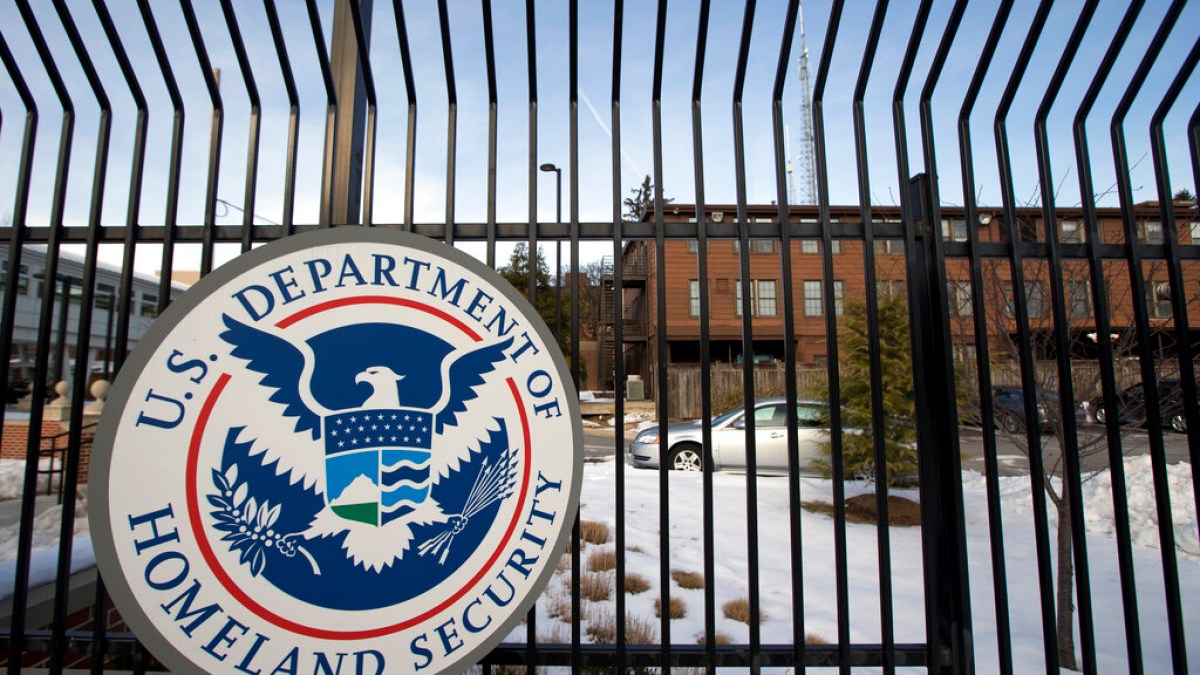
Judges in Boston, Massachusetts and Chicago, Illinois on Friday rejected last-ditch efforts by immigrant-rights advocates to maintain the Temporary Protected Status (TPS) designations for the two countries after the US Supreme Court in June allowed the administration to end similar protections for thousands of people from Haiti and Syria.
The Supreme Court decision had limited lower courts’ ability to block the Department of Homeland Security’s (DHS) efforts to end TPS for people from roughly a dozen countries, arguing the executive branch maintained broad authority to make decisions on the programme.
After the Supreme Court’s ruling, immigrant-rights lawyers made a new challenge, arguing that DHS lacked the authority to terminate TPS.
But US District Judge Patti Saris in Boston rejected the argument, saying it would not only call into question DHS authority to end TPS but also its longstanding authority to extend the protections.
Judge Matthew Kennelly in Chicago made a similar conclusion in the Myanmar case hours later.
Advocates have warned the rulings leave TPS recipients, who had been given an “administrative stay” amid the ongoing legal battle that allowed them to continue to work and live in the US, exposed to possible deportation to countries still gripped by conflict and instability.
DHS had moved in November 2025 to end TPS for South Sudan, which has held the designation since 2011 amid ongoing conflict, and Myanmar, in political turmoil since a 2021 military coup.
James Percival, General Counsel of DHS, said the new rulings leave only TPS terminations for Ethiopian and Somalian nationals, which are still blocked by courts.
“Every day these ‘administrative stays’ are in effect is a day the American people are denied what they voted for,” he wrote on X.


