
PM Advisor Blames Public for Rising Petrol and Diesel Prices
Intelligence report synthesized for precision. Verified source updates below.
Detailed Report
Special Assistant to Prime Minister Huzaifa Rehman has sparked controversy after linking the latest increase in petrol and diesel prices to low tax compliance among the public.
Speaking to a private news channel, the PM’s advisor said the government had recovered missing revenue through the petroleum levy because many people were not paying the required taxes.
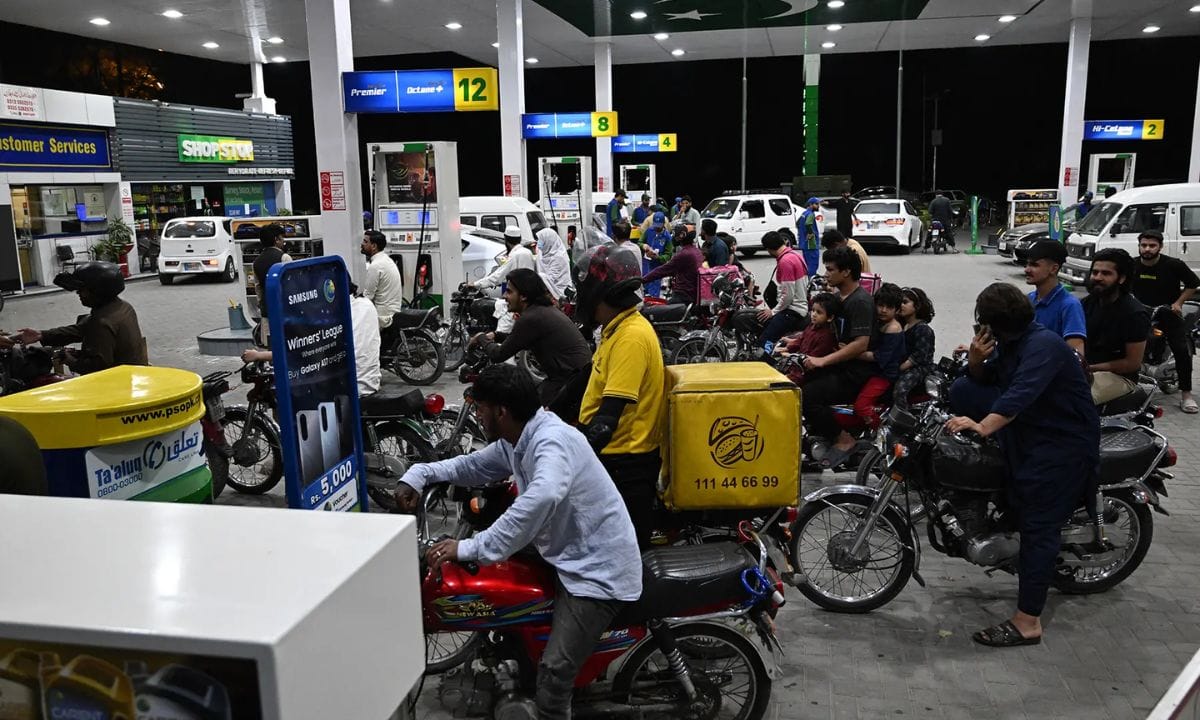
The remarks came after the federal government approved a major increase in fuel prices for the next seven days under a decision endorsed by Prime Minister Shehbaz Sharif.
Under the latest revision, the price of high-speed diesel increased by Rs. 15 per litre, while petrol prices rose by Rs. 14.92 per litre nationwide.
Following the increase, petrol is now priced at Rs. 414.78 per litre, while diesel has reached Rs. 414.58 per litre across Pakistan.
The fuel price hike has added further pressure on consumers already dealing with rising transportation expenses, inflation, and higher living costs.
Economists note that increases in petrol and diesel prices directly affect freight charges, food supply chains, and the prices of everyday commodities across the country.
Budget 2026-27IMF Budget Talks May Bring Higher Tax Burden for Salaried PakistanisBy Sabica Tahira|3 hours ago|2 min readPakistan is set to begin negotiations with the International Monetary Fund next week for the 2026-27 federal budget, with fresh tax measures and spending controls expected under.
FinanceSindh Govt Announces Early Salaries and Pensions Before Eid ul AdhaBy Sabica Tahira|16 hours ago|1 min readThe Sindh Finance Department has announced advance payment of salaries, allowances, and pensions for Muslim government employees and pensioners ahead of Eid ul Adha. According to an official.
BusinessGovt Plans Tax Relief to Revive $6 Billion Refinery InvestmentsBy Sabica Tahira|17 hours ago|2 min readThe federal government has moved to revive nearly $6 billion in planned refinery investments by addressing tax and policy hurdles that have delayed major modernization.