Electric Bike Scheme Nears Collapse as Banks Reject 90 Percent of Loan Applications
Intelligence report synthesized for precision. Verified source updates below.
Detailed Report
The government of Pakistan has overhauled its flagship electric bike programme after commercial banks approved fewer than one in ten subsidy loan applications submitted by eligible citizens.
Of 44,689 applications sent to banks under the Pakistan Accelerated Vehicle Electrification programme, only 4,075 were approved, representing just nine percent of all submitted applications received.
The Economic Coordination Committee of the cabinet met on Tuesday and approved sweeping changes to rescue the programme from what officials described as a near-total bank-driven collapse.
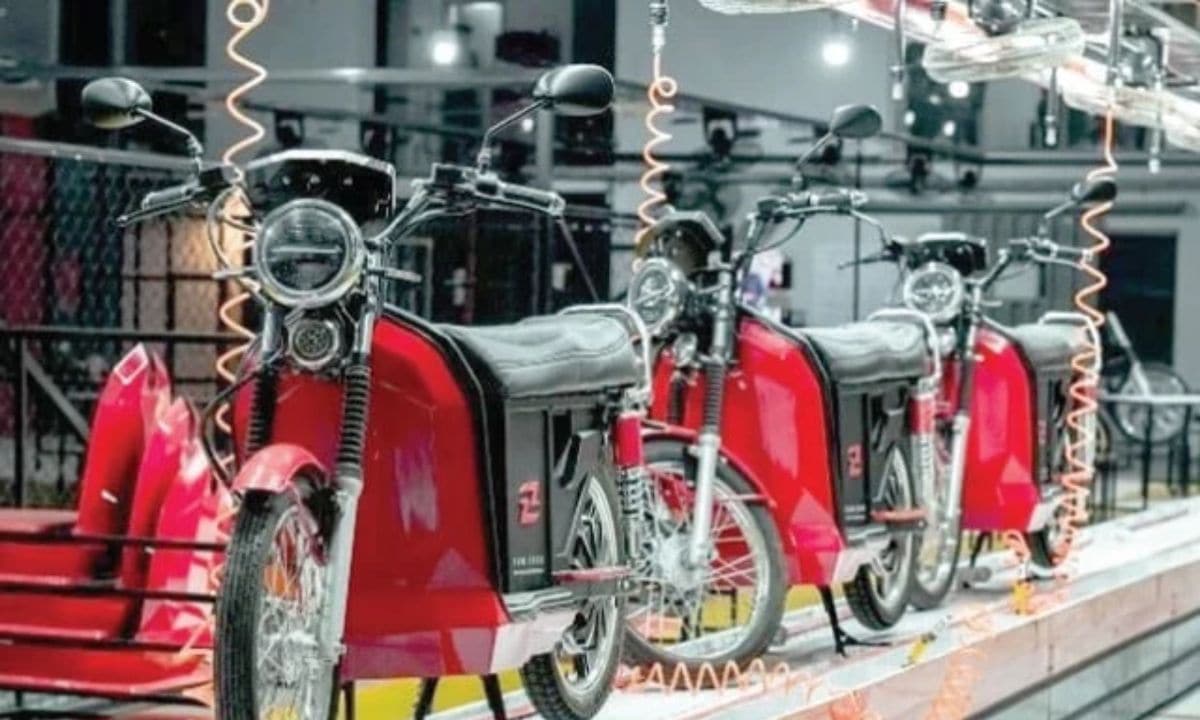
Only 5,409 electric bikes and rickshaws have been distributed in total, which equals just 4.5 percent of the annual target of 119,170 units due by 30 June.
The programme is funded by a Rs2.5-per-litre climate levy charged on every litre of petrol and diesel purchased by consumers across Pakistan throughout the financial year.
The Finance Division allocated Rs9 billion for the programme in the current financial year, yet banks approved only Rs143 million in actual financing for eligible applicants.
That levy is set to double from July under commitments made by Pakistan as part of its ongoing agreement with the International Monetary Fund on fiscal reform.
Applicants had two routes: a bank-financed bike on instalments, with equity and interest covered by the government, or a direct subsidy paid after proof of purchase.
Banks processed only 9,889 of 44,689 applications forwarded to them, a 22 percent processing rate, and then approved fewer than half of those processed applications overall.
By contrast, the self-finance option performed far better: 1,334 of 1,339 applicants, or 99.6 percent, successfully received electric bikes through that route without bank involvement.
Officials told the ECC that difficulties in hiring a third-party verification firm had undermined public confidence in the government’s commitment to the overall programme’s delivery.
For the second phase, the government will promote the self-financing route more aggressively and reduce its reliance on commercial banks to process and disburse approved applications.
A new option will allow applicants to collect a vehicle from a supplier at the notified price minus the applicable subsidy, removing the need for full upfront payment.
The ECC approved a dedicated self-finance scheme for federal government servants in Basic Scale 16 and below, working across all ministries, departments, and subordinate offices nationwide.
Under that scheme, manufacturers will deliver a vehicle after receiving an upfront payment of Rs10,000 for a bike or Rs100,000 for a rickshaw or loader from buyers.
The Engineering Development Board will transfer the applicable subsidy to the manufacturer within five working days, and the government will pay the remaining balance in instalments.
Fleet operators will be allowed to participate in phase two to scale adoption, with eligibility criteria to be set by the programme’s steering committee after review.
About 600 electric bikes will be distributed to top-ranking government college students from each of the 26 Boards of Intermediate and Secondary Education across four disciplines.
Citing recent geopolitical developments and the need for energy security, the government proposed an additional fast-track component under the PAVE programme requiring no new foreign exchange.
Under this component, 100,000 electric bikes will be distributed within three months using 130,000 CKD kits already available inside Pakistan or currently in transit on the high seas.
These 100,000 bikes will be in addition to the existing annual target of 116,000 units, bringing the total number of planned subsidised bikes to 216,000 this year.
A subsidy of Rs80,000 per bike will be paid to manufacturers from the Rs9 billion allocation, linked to verified proof of delivery and vehicle registration on the portal.
The fast-track component is projected to save 8.6 million litres of petrol, worth approximately eight million US dollars, within the first three months of its implementation alone.
Over the following five years, savings from these additional bikes are estimated to reach 222 million US dollars in avoided fuel costs for Pakistan’s economy and consumers.
Bikes, CarsIslamabad Driving License Campaign Introduces On the Spot Learner PermitsBy Manik Aftab|6 months ago |2 min readThe Islamabad driving license campaign has entered its second phase with the launch of an on the spot learner permit facility at key checkpoints, making.
Atlas Honda has announced a new zero markup installment plan for Honda CG150 buyers in collaboration with Bank Alfalah, making motorcycle ownership easier for customers.
BikesHonda Bikes Now Available on Easy Installments with 0% MarkupBy Manik Aftab|7 months ago |1 min readAtlas Honda motorcycles can now be purchased through easy installment plans under Standard Chartered Bank’s SC Aasan scheme, offering 0% markup for up to 12.