
Pakistan’s 5G Will Completely Crash Unless This Happens in 3 Years
Intelligence report synthesized for precision. Verified source updates below.
Detailed Report
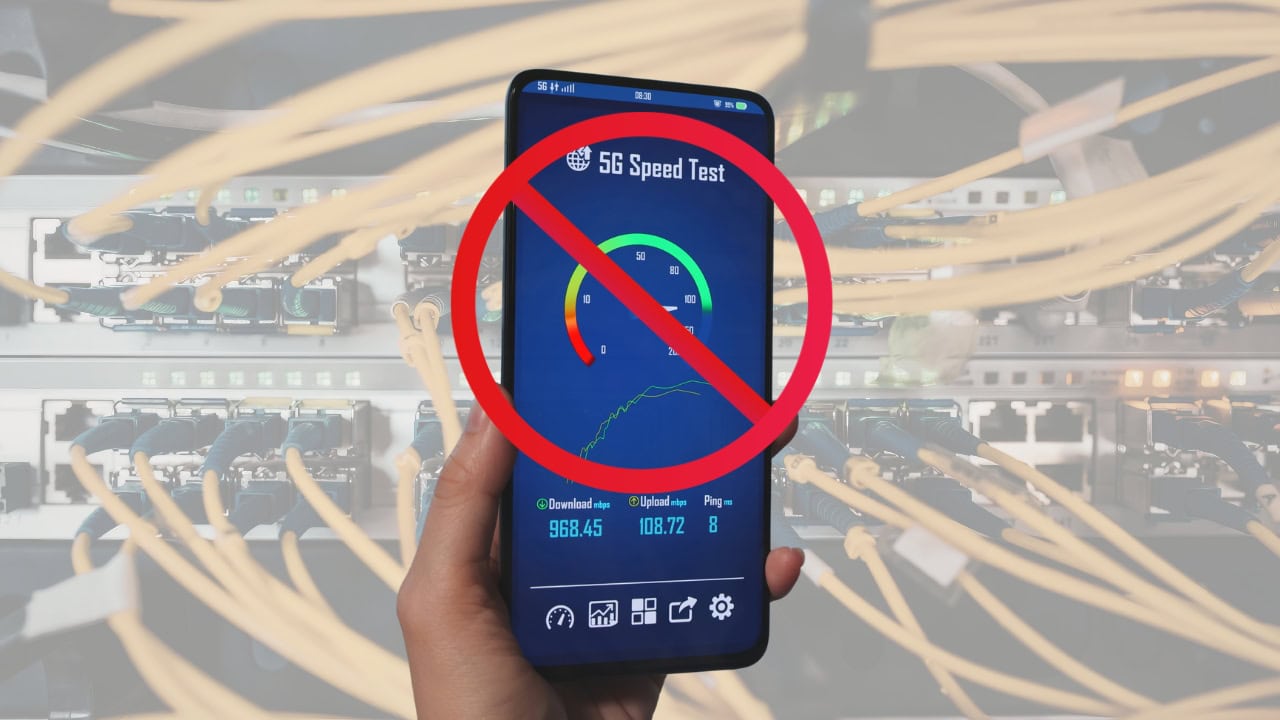
Despite recent rollout of 5G services in Pakistan, internet speeds remain frustratingly slow in major metropolitan cities like Karachi and Lahore with even capital Islamabad continuing to experience sluggish connectivity, while the situation is far worse in peripheral regions such as Azad Kashmir and Balochistan where reliable high-speed internet remains a distant dream.
At present the average internet speed in Pakistan stands at 25 Mbps placing the country at 198th position globally, with telecom experts believing cellular operators in collaboration with the government must devise a comprehensive strategy to rapidly expand optical fiber networks across the country to enable commercial rollout of 5G technology.
Optical fiber deployment remains the cornerstone for successful 5G rollout in Pakistan yet it faces multiple formidable challenges, with only 15-18% of cell sites currently fiber-connected meaning the country lags significantly behind regional benchmarks and forcing most towers to rely on microwave links that cannot support 5G’s high-capacity low-latency demands.
Right-of-way approvals involve fragmented authorities like municipalities, cantonments and development bodies causing lengthy delays of 12-18 months and high costs, although the recent government abolition of RoW charges on key corridors offers some relief.
Pakistan’s total fiber footprint exceeds 211,000 kilometers but inadequate backhaul density limits 5G potential, with the country ranking 76th out of 93 economies on the Fiber Development Index. Unlike India which charges a one-time fee of roughly ₹1 per meter, Pakistan levies between PKR 35 and PKR 60 per meter annually transforming what should be a one-time capital expense into a permanent operational drain that discourages investment according to industry analysis.
Fiberizing a single site costs between $10,000 and $20,000 and with tens of thousands of sites needing upgrades the capital commitment extends well beyond the half-billion dollars raised in spectrum auctions. High capital expenditure, inflation, low average revenue per user and taxation further discourage rapid investment in trenching and last-mile fiber, while terrain variations, flooding risks and skilled labor shortages for splicing and installation compound execution difficulties.
Experts emphasize that both the government through the Universal Service Fund and telecom operators need to make substantial investments in telecom infrastructure including optical fiber networks and supporting communication systems to ensure success of next-generation broadband services in Pakistan.
The rapid installation of advanced 5G infrastructure faces additional challenges due to a shortage of skilled and experienced human resources in the telecom sector, meaning operators may need to recruit foreign professionals from their parent companies or other countries.
Out of a total allocation of Rs. 141 billion the government has earmarked Rs. 35.7 billion for telecom operators under the USF to expand optical fiber cable networks in various regions.
Without accelerated fiber-deployment to at least 60% in the coming years, 5G services will suffer capacity bottlenecks undermining digital transformation goals.
Coordinated efforts by the Pakistan Telecommunication Authority (PTA), operators and the government is thus essential to overcome these barriers for nationwide 5G success.
TelecomPTA Calls for Express Feeders to Protect Telecom Services From Ongoing Power CutsBy Zohaib Shah|22 hours ago |2 min readPower cuts and rising fuel prices are putting Pakistan’s telecom networks under pressure. As outages stretch longer, mobile service quality is beginning to suffer in.
TelecomPunjab to Launch Satellite Internet to Connect Rural CommunitiesBy M Ali|2 days ago |2 min readThe provincial government of Punjab plans to launch satellite internet services to provide high-speed connectivity to remote and underserved areas across the province very soon..
TelecomPTA Issues District-Level Internet Licenses Across PakistanBy M Ali|3 days ago |2 min readThe Pakistan Telecommunication Authority (PTA) has begun granting district-level Class Licenses for Internet Services starting January 1, 2026, across the country. The licenses are issued.