Has World Bank Reclassified Pakistan From South Asia to MENA Region?
Intelligence report synthesized for precision. Verified source updates below.
Detailed Report
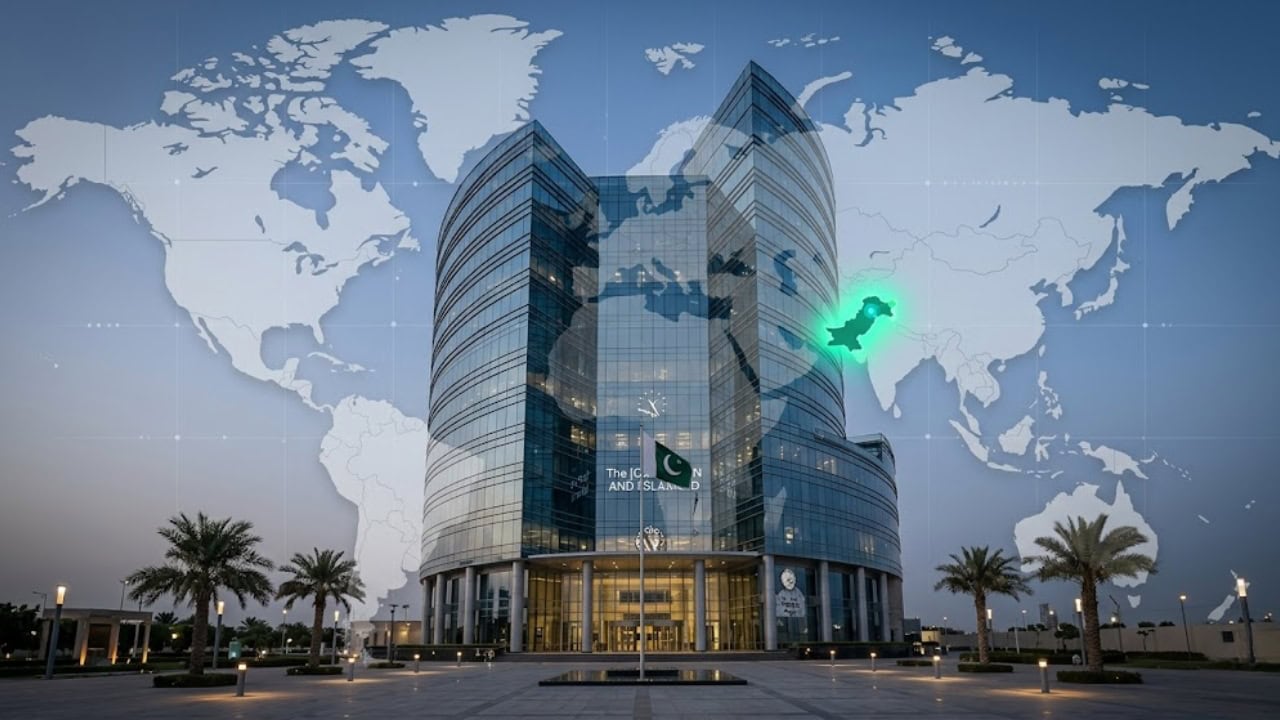
The World Bank has reclassified Pakistan from its South Asia regional grouping to the Middle East and North Africa (MENA) category in a bureaucratic reorganization carrying symbolic and geopolitical implications.
Pakistan and Afghanistan are included in the newly designated MENAAP (Middle East, North Africa, Afghanistan, and Pakistan) region for fiscal year 2026, according to World Bank documentation published in February.
The reclassification ends Pakistan’s longstanding placement within the South Asian economic grouping, where it had been classified alongside India, Bangladesh, Sri Lanka, Nepal, Bhutan, and the Maldives.
The World Bank emphasized that the grouping is “for analytical purposes only,” noting that countries are organized based on shared economic challenges and development patterns rather than strict geographic boundaries. However, the administrative shift carries weight beyond statistical convenience, because regional classifications influence how development priorities are framed, funding is allocated, and economic performance is benchmarked.
The MENAAP designation reflects structural economic similarities Pakistan shares with Middle Eastern economies, including challenges related to oil dependency, conflict exposure, labor market dynamics, and demographic pressures. The region’s working-age population of approximately 380 million is projected to increase by 40% over the next 25 years, while economic growth remains insufficient to generate adequate employment opportunities.
Pakistan’s reclassification means the country will now be analyzed alongside economies facing similar development constraints, including low productivity growth, limited private sector dynamism, and persistent labor market challenges. The World Bank’s latest MENAAP Economic Update projects regional growth at 2.8% in 2025 and 3.3% in 2026, although recent conflict in the Middle East has weakened the outlook.
The shift also aligns Pakistan more closely with economies sharing governance structures involving sovereign wealth funds and state-owned enterprises, which the World Bank has identified as key vehicles for industrial policy across the MENA region. Regional totals have been retroactively updated throughout the historical time series to reflect the new classification.
While the International Monetary Fund adopted a similar MENAP grouping in April 2013, the World Bank’s formal reclassification for fiscal year 2026 represents a more definitive institutional shift. Other multilateral organizations, including various UN agencies, continue to use different regional frameworks, highlighting the lack of standardized global definitions for regional economic groupings.
The reclassification occurs as Pakistan pursues a $40 billion Country Partnership Framework with the World Bank covering fiscal years 2026 through 2035, focusing on building human capital, fostering private sector growth, and enhancing economic resilience. Pakistan’s economic trajectory will now be assessed against Middle Eastern peers rather than South Asian neighbors, potentially influencing policy recommendations and development strategies.
InvestmentWill the UAE Buy a Stake in the Company That Acquired PIA Shares?By Abdul Wasay|4 months ago|3 min readPakistan has formally offered shares of the Fauji Foundation to the United Arab Emirates as part of a proposed $1 billion investment arrangement, a move.