Govt Plans Cheap Petrol Scheme for Bikers and Rickshaws
Intelligence report synthesized for precision. Verified source updates below.
Detailed Report
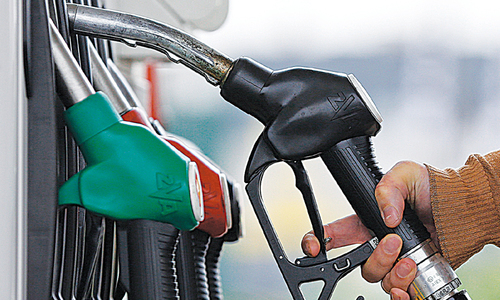
The Finance Division is working on a major fuel subsidy plan aimed at reducing petrol costs for motorcyclists and rickshaw owners across Pakistan.
According to sources, the federal government has approached provincial governments to contribute Rs. 154 billion toward a proposed Rs. 300 billion subsidy program, which is expected to run for six weeks.
The subsidy is being designed specifically for two- and three-wheeled vehicles to ease the burden of rising fuel prices on lower- and middle-income groups.
Officials are considering two key options:
The second option is currently seen as more targeted and beneficial for daily commuters and small-scale transport operators.
A final decision on the subsidy plan is expected after a high-level meeting involving top leadership, including the President, Prime Minister, and provincial chief ministers.
Despite rising global prices, officials say Pakistan has sufficient fuel reserves to meet domestic demand until May 10, 2026.
If approved, the subsidy could provide significant short-term relief to millions of bikers and rickshaw drivers facing increasing transportation costs.
BusinessIran Allows Pakistan Ships to Cross Strait of HormuzBy Sabica Tahira|3 hours ago|2 min readIran has granted clearance to 20 Pakistan-flagged vessels to pass through the strategically vital Strait of Hormuz, in a move aimed at easing tensions and restoring.
FinanceFBR Probes Rs. 48.4 Crore Reward Payments After AGP AuditBy Sabica Tahira|4 hours ago|2 min readThe Federal Board of Revenue (FBR) has initiated a special audit into cash rewards worth Rs. 484.44 million (Rs. 48.4 crore) distributed to officials and informers between.
BusinessLoss of GSP Plus Could Cost Pakistan $9 Billion in ExportsBy Sabica Tahira|19 hours ago|1 min readPakistan’s export sector could face a major setback if its GSP Plus trade status with the European Union is discontinued, with potential losses estimated at $9 billion annually, according to business leaders..