Commerce Ministry Ready to Operate Even if Budget Cut by 50% Next Fiscal Year

Intelligence report synthesized for precision. Verified source updates below.
Detailed Report
The Ministry of Commerce told a Senate panel it is prepared to manage its operations even if its non-development budget is reduced by up to 50 percent in the next fiscal year, citing growing fiscal pressures linked to the evolving situation in the Middle East.
Testifying before the Senate Standing Committee on Commerce, chaired by Anusha Rahman, Commerce Secretary Jawad Paul said the government had already reduced non-Employee Related Expenditure (non-ERE) releases for ministries by 20 percent in the fourth quarter of the current fiscal year 2025-26, and further tightening was expected in FY2026-27.
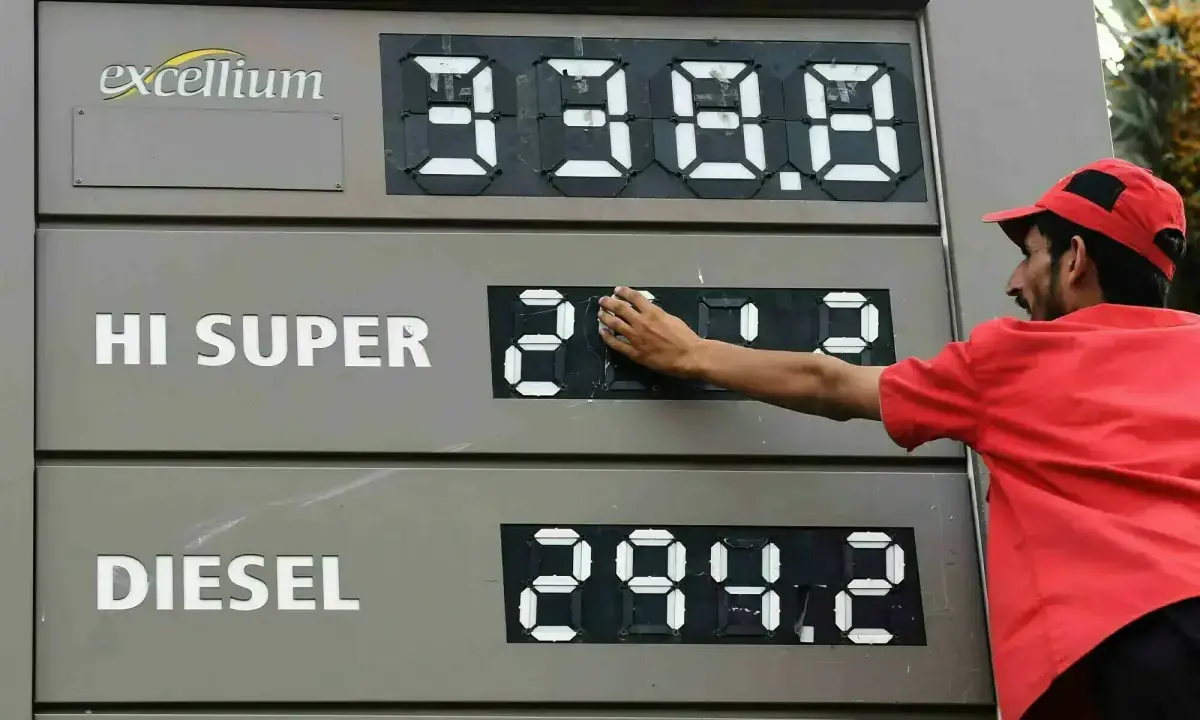
During the meeting, Saleem Mandviwala expressed concern over the shrinking fiscal space, noting that the government had recently provided an Rs. 80 billion subsidy on petroleum products. He warned that the country’s fragile financial position could make it difficult to accommodate budgetary demands in the next fiscal year.
Responding to the concerns, the commerce secretary said the ministry would prepare its expenditure plans even if allocations were reduced significantly. He added that the ministry had sought only a modest 9pc increase in its budget for FY2026-27 compared to the current fiscal year. The ministry has proposed a total allocation of Rs, 1.707 billion under employee-related and non-employee-related heads for FY2026-27, up from Rs. 1.562 billion in FY2025-26.
For the Trade Development Authority of Pakistan (TDAP), the ministry has sought Rs9.951bn for FY2026-27 — a sharp increase of 283pc compared to Rs, 2.6 billion allocated for the current fiscal year. Of the existing allocation, Rs1.811bn had been released by March 31, 2026, of which around 90pc had already been utilised by March 21.
Explaining the proposed increase, the commerce secretary said the abolition of the Export Development Surcharge (EDS), on the recommendations of a committee constituted by the prime minister, had necessitated greater budgetary support to maintain export competitiveness with regional economies. However, the committee expressed reservations about whether the government would be able to meet TDAP’s enhanced funding requirements amid ongoing fiscal constraints.
The committee recommended that TDAP submit its annual business plan to the Export Development Fund (EDF) board by April 2026 so that allocations could be aligned with available fiscal space. The commerce secretary directed TDAP officials to ensure submission of the plan by April 30 and obtain approval from the EDF board. The committee also recommended that TDAP prioritise participation in international exhibitions financed through EDF resources rather than the federal budget.
Proposed allocations for other attached organisations include Rs248 million for the Pakistan Institute of Trade and Development (PITAD), Rs142m for the Directorate General of Trade Organisations (DGTO), Rs415.5m for the Trade Dispute Resolution Organisation (TDRO), and Rs914m for the National Tariff Commission (NTC). In addition, Rs20bn has been proposed under EDF, Rs12.158bn for the DLTL and TUFF schemes, and Rs7.427bn for trade missions abroad.
The committee approved the proposed budgetary demands for the ministry and its attached departments and entities. It also approved Rs4.83bn for the Quetta Expo Centre project, subject to relocation. Sarfraz Bugti has agreed to construct the facility at a site recommended by the committee, according to Senator Mandviwala.
The committee invited the chief minister to attend its meeting on March 31, either in person or via video link, to resolve the dispute over the project’s location, as lawmakers from Balochistan have opposed the current site. It also urged the provincial government to allocate land for the expo centre from 125 acres already available with the National Disaster Management Authority (NDMA), although the commerce secretary expressed reservations about pursuing the matter jointly with the authority.