Meta and Google found liable in landmark social media addiction trial
Intelligence report synthesized for precision. Verified source updates below.
Detailed Report
The woman, known as Kaley, was awarded $3m (£2.2m) in a result that is likely to have implications for hundreds of similar cases now winding their way through US courts.
In a statement, Meta said: "We respectfully disagree with the verdict and are evaluating our legal options."
A spokesperson for Google said: "We disagree with the verdict and plan to appeal. This case misunderstands YouTube, which is a responsibly built streaming platform, not a social media site."
Jurors found Meta to be 70% responsible for the plaintiff's harm and YouTube was responsible for 30% of the total, meaning Meta will pay the majority of Kaley's award.
Another form of damages, punitive damages, are still to be determined by the court. Under state law, this could reach up to $30m.
Parents of other children, who are not part of Kaley's lawsuit but claim they were also harmed by social media, were outside the courthouse on Wednesday, as they had been many days throughout the five-week trial.
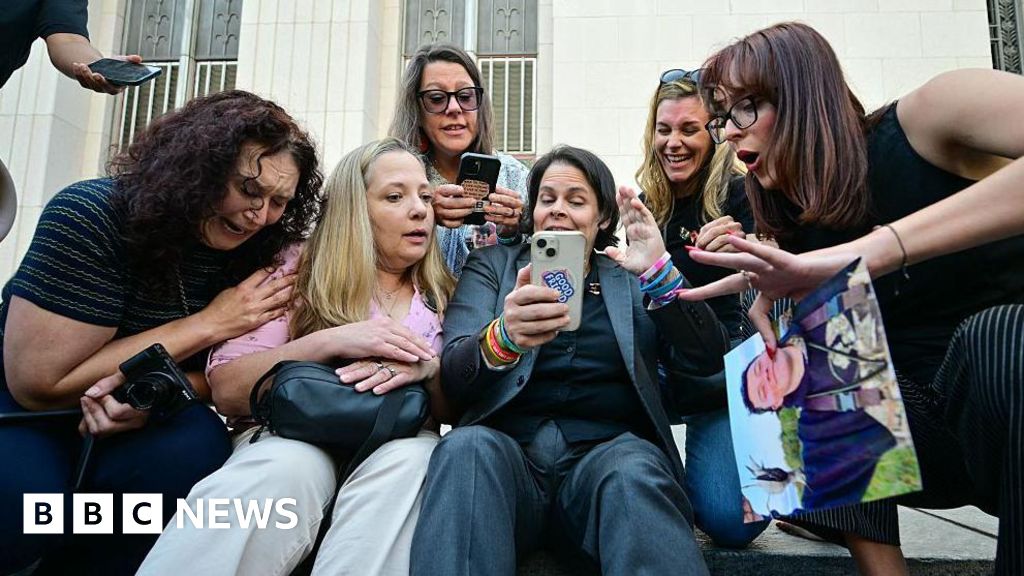
When the verdict came through, parents like Amy Neville were seen celebrating and hugging other parents and supporters who had been waiting for a decision.
The LA verdict came a day after a jury in New Mexico found Meta liable for the way in which its platforms endangered children and exposed them to sexually explicit material and contact with sexual predators.
Mike Proulx, a research director for Forrester, said the back-to-back verdicts underline a "breaking point" between social media companies and the public.
"Negative sentiment toward social media has been building for years, and now it's finally boiled over," Proulx said.
During his appearance before the jury in February, Mark Zuckerberg, Meta's chairman and chief executive, relied on his company's longstanding policy of not allowing users under the age of 13 on any of its platforms.
When presented with internal research and documents showing that Meta knew young children were, in fact, using its platforms, Zuckerberg said he "always wished" for faster progress to identify users under 13. He insisted the company had reached the "right place over time".
Snap and TikTok were also initially defendants, but both companies reached undisclosed settlements with Kaley prior to trial.
As for Kaley's lawyers, they argued that Meta and YouTube had built "addiction machines" and failed in their responsibility to prevent children from accessing their platforms.
"I stopped engaging with family because I was spending all my time on social media," Kaley said during her testimony.
Kaley said she was 10-years-old when she started having feelings of anxiety and depression, disorders for which she would be diagnosed years later by a therapist.
Kaley has since been diagnosed with body dysmorphia, a condition which causes people to worry excessively about their physical appearance and do not see themselves as others do.
Meta's growth goals were aimed at getting young people to use its platforms, Kaley's lawyers said.
Using testimony from experts and former Meta executives, they argued the company wanted young users because they were more likely to stick with its platforms for longer stretches of time.
Instead, he called a teenager spending most hours of the day on Instaragm "problematic".
Lawyers for Kaley said Wednesday that the jury's verdict "sends an unmistakable message that no company is above accountability when it comes to our children."
Another case against Meta and other social media platforms is poised to begin in June in California federal court.