
MIUI Officially Retires as Xiaomi Shifts to HyperOS
Intelligence report synthesized for precision. Verified source updates below.
Detailed Report
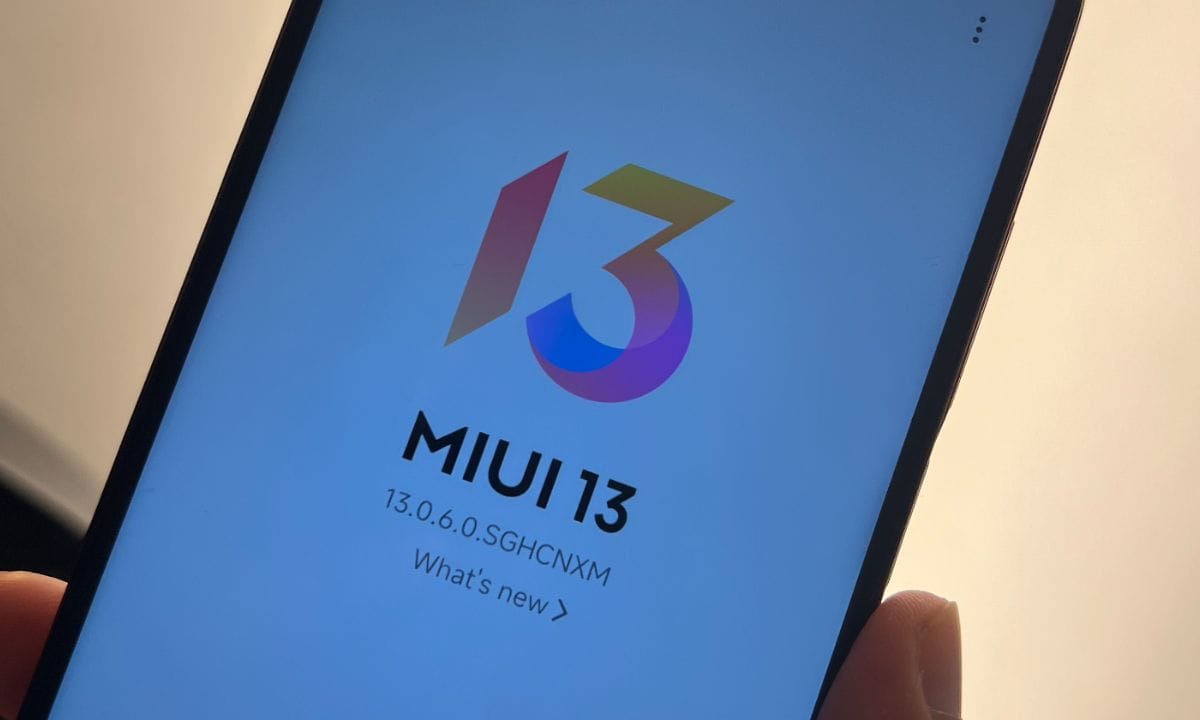
Xiaomi has officially concluded support for its MIUI operating system, marking the end of software updates for its last devices and completing a 16-year-long journey for the Android skin.
The Redmi A2 and Redmi A2+ were the final models receiving MIUI updates in 2026, both previously upgraded to Android 13, with minor security patches continuing until December last year.
Their final firmware, V14.0.44.0.TGOMIXM, was released in December, and Xiaomi’s official records designate March 24, 2026, as the devices’ end-of-life date, ending all further software and security updates permanently.
MIUI first launched in August 2010 as a custom ROM for Android 2.2 Froyo devices, aiming to provide enhanced functionality and customization beyond stock Android software.
Early success was driven by weekly beta releases, frequent new features, and compatibility with non-Xiaomi devices, creating a dedicated community of users who valued flexibility and interface personalization.
Core MIUI features included Dual Apps, Second Space, App Lock, hidden apps, call recording, and a theme engine capable of modifying icons, fonts, sounds, and system interfaces for users.
Xiaomi expanded into smartphone hardware, growing globally, with MIUI reaching milestones of 100 million monthly active users in 2015, 200 million in 2018, and surpassing 500 million by November 2021.
In October 2023, Xiaomi announced HyperOS as MIUI’s replacement, debuting with the Xiaomi 14, motivated by the need to unify device management across smartphones, smart home products, and connected vehicles.
Research and development for the new system began in 2017, aiming to support a broader ecosystem, improve performance, and simplify software structure across multiple device categories simultaneously.
HyperOS integrates an advanced Android base with Xiaomi’s Vela IoT system on a Linux kernel, offering a human-centric operating system focused on efficiency, consistent user experience, and smaller system size overall.
HyperOS enables cross-device functionality through HyperConnect, allowing users to mirror phone cameras to TVs, operate smart home devices, or even use their phones as car keys seamlessly within a single platform.
The system aligns with Xiaomi’s “Human x Car x Home” strategy, providing unified connectivity across devices while offering real-time networking and interactions, marking a major evolution beyond MIUI’s original framework.
GadgetsThe Guy Who Invented the Metaverse Thinks Your VR Headset is CreepyBy Abdul Wasay|4 hours ago|4 min readNeal Stephenson, the science fiction author who coined “metaverse” in his 1992 novel Snow Crash, has written that he no longer believes VR goggles or.
TechnologyOnePlus Launches World’s Slimmest Magnetic Phone CoolerBy Waleeja Khan|4 hours ago|2 min readOnePlus has unveiled its latest accessory, the Magnetic Ice Cooling Clip, alongside the newly launched OnePlus 15T. Marketed as the world’s thinnest magnetic smartphone cooler,.
TechnologyOGRA Launches Digital Platform to Track Oil Products Across PakistanBy Waleeja Khan|6 hours ago|2 min readThe Oil and Gas Regulatory Authority (OGRA), in collaboration with the Punjab Information Technology Board (PITB), has trained petroleum industry representatives on its new digital.
ScienceJapan Just Built a Wi-Fi Chip That Survives Nuclear MeltdownsBy Abdul Wasay|8 hours ago|3 min readA team at the Institute of Science, Tokyo, has developed a 2.4 GHz Wi-Fi receiver chip that withstands radiation doses far beyond what would destroy.