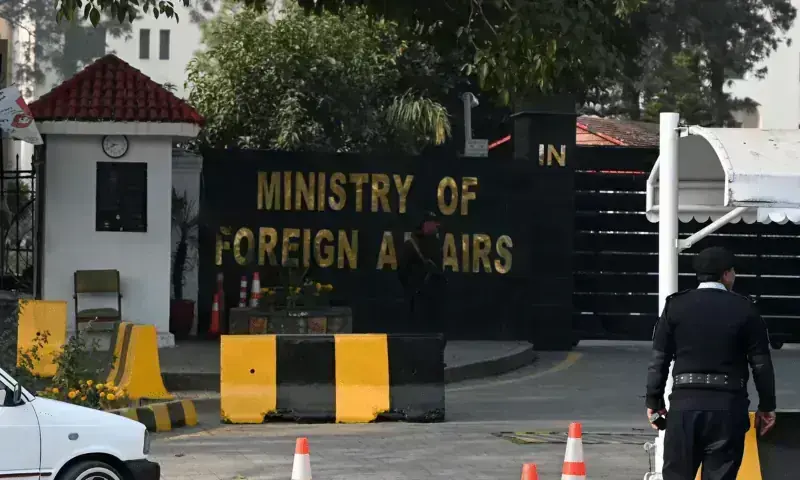
US Intelligence Flags Pakistan’s Long-Range Missiles as Threat to American Homeland
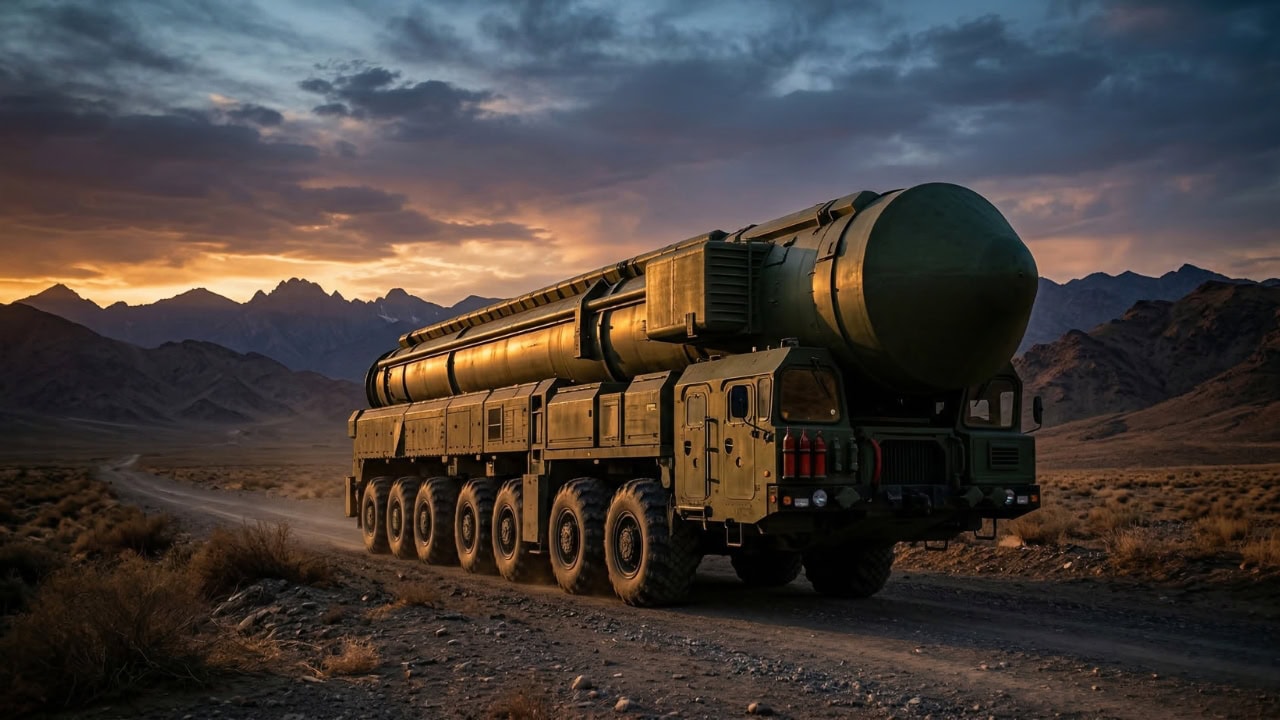
Intelligence report synthesized for precision. Verified source updates below.
Detailed Report
US Director of National Intelligence (DNI) Tulsi Gabbard has officially listed Pakistan’s Long-Range Missiles as a significant threat to the United States. She presented the 2026 Annual Threat Assessment to the Senate Intelligence Committee on Wednesday. Furthermore, she placed Pakistan alongside Russia, China, North Korea, and Iran.
Gabbard warned lawmakers about Pakistan’s rapidly developing missile technology. Specifically, she stated that Pakistan’s long-range ballistic missile development could potentially include Intercontinental Ballistic Missiles (ICBMs). Consequently, these advanced delivery systems, carrying conventional or nuclear payloads, might eventually reach the US homeland.
Overall, the intelligence community expects global missile threats to surge. By 2035, the total number of missiles threatening the US homeland will likely jump from 3,000 to over 16,000.
However, defense analysts immediately challenged this assessment. Washington-based scholar Shuja Nawaz highlighted that Pakistan’s Shaheen-III missile currently has a range of less than 2,800 kilometers. Moreover, he emphasized that Islamabad designed its nuclear program strictly to deter India.
Therefore, Nawaz argued this report merely continues previous US policy trends aimed at sanctioning Pakistani entities and curbing technology acquisitions. Similarly, US-based scholar Michael Kugelman noted the administration did not exclusively single out Pakistan. Yet, clubbing Islamabad with rogue states remains a notable shift in messaging.
Beyond state-level missile threats, the DNI report flagged severe regional instability. Currently, South Asia presents enduring security challenges. For instance, India-Pakistan relations carry a persistent risk of nuclear escalation, particularly following the Pahalgam attack that previously triggered a war.
Additionally, intermittent cross-border clashes plague the Pakistan-Afghanistan border, with Pakistan’s army chief demanding that the Taliban sever ties with anti-Pakistan militants.
Meanwhile, the report also detailed the ongoing Iran war, dubbed Operation Epic Fury. The Iranian regime remains largely degraded but intact. Furthermore, despite internal US administration resignations and disputes, intelligence officials maintain that Iran and its proxies still pose an immediate, highly capable threat to US and allied interests across the Middle East.
CybersecurityLeakNet Ransomware Tricks Victims Into Infecting Themselves Through Hacked WebsitesBy Abdul Wasay|23 hours ago|3 min readThe ransomware group has adopted the ClickFix social engineering tactic, using compromised legitimate websites to serve fake CAPTCHA pages that trick users into running malicious.
CybersecurityGlassWorm Malware Silently Infects Hundreds of Python ProjectsBy Abdul Wasay|2 days ago|2 min readAttackers are using stolen GitHub credentials to silently inject cryptocurrency-stealing malware into legitimate Python projects, rewriting git history to leave no visible trace in GitHub’s.
ScienceScientists Build a Chip That Lets Robots See in 4D for the First TimeBy Abdul Wasay|2 days ago|3 min readResearchers in Switzerland have packed an advanced imaging system onto a single silicon chip that can map 3D environments while simultaneously measuring the velocity of.
TechnologySBP Data Shows Drop in IT Exports in FebruaryBy Sabica Tahira|3 days ago|2 min readPakistan’s IT and telecom export remittances declined for the second consecutive month in February 2026, according to the latest data released by the State Bank of.