
Pakistan Gains Five Ranks in WEF Global Gender Gap Index 2026
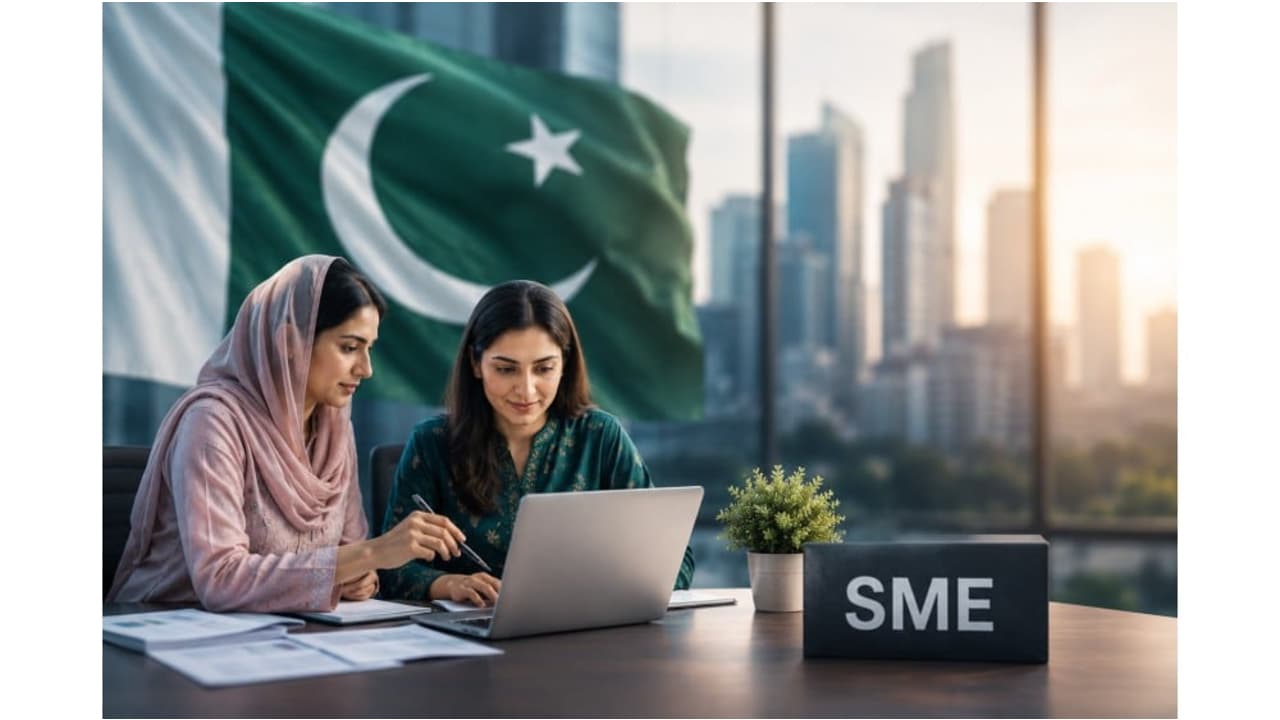
Pakistan has recorded a modest upward shift in the World Economic Forum’s (WEF) Global Gender Gap Report 2026, advancing five positions on the international index. The improvement reflects incremental progress across key sub-indexes, driven primarily by targeted socio-economic interventions and minor statistical gains in educational parity. While the progress provides a welcome respite for policymakers in Islamabad, the country continues to operate from a historically low baseline relative to global and regional peers.
The annual WEF report evaluates gender parity across four fundamental pillars: Economic Participation and Opportunity, Educational Attainment, Health and Survival, and Political Empowerment. Pakistan’s five-place improvement stems largely from increased female secondary school completion rates and expanded financial inclusion metrics linked to government social safety nets. Institutional efforts to broaden digital banking access for women have helped elevate overall household financial participation figures.
Socio-economic analysts and economic observers view the latest findings with cautious optimism. While the five-rank climb demonstrates that policy interventions can yield measurable results, fundamental structural barriers—including deeply ingrained workforce disparities, limited capital access for female entrepreneurs, and severe underrepresentation in corporate leadership—continue to anchor the nation near the lower tier of global gender parity rankings.
Key Developments & Policy Breakdown
- Five-Place Index Progression: Pakistan advanced five positions overall in the 2026 Global Gender Gap Report, improving upon its previous historical standing near the bottom of the 146-nation assessment.
- Educational Attainment Gains: Secondary education completion rates among young women recorded a measurable uptick, narrowing the institutional parity gap in national schooling metrics.
- Social Safety Net Impact: Expanded financial inclusion initiatives under the Benazir Income Support Programme (BISP) enabled direct account transfers to millions of female beneficiaries, elevating national baseline banking metrics.
- Economic Sub-Index Friction: Female labor force participation experienced marginal growth, though the vast majority of working women remain concentrated in low-wage agricultural and informal sector roles.
- Political Empowerment Constraints: While legislative quotas maintain baseline female representation in parliament, cabinet-level appointments and executive decision-making posts remain heavily male-dominated.
In-Depth Analysis & Real-World Impact
The real-world impact of Pakistan’s five-rank gain highlights a stark dual-track economic reality. On one side, public policy efforts aimed at direct poverty alleviation have successfully integrated millions of marginalized women into formal cash-transfer systems. This has provided rural female-headed households with basic financial autonomy, improving health outcome indicators and domestic decision-making power.
On the other side, Pakistan’s formal economic engine continues to severely underutilize its female population. Female workforce participation remains historically constrained, hampered by unsafe urban public transport, inadequate workplace childcare facilities, and restrictive cultural expectations. The national economy sacrifices significant productive capacity each year due to this structural exclusion, limiting total economic output at a time when macro-stabilization requires maximum productivity.
Furthermore, corporate Pakistan faces heightened international scrutinization. Foreign buyers, particularly in the export-oriented textile and apparel sectors, increasingly enforce rigorous Environment, Social, and Governance (ESG) standards. Compliance audits now demand equal wage scales, robust anti-harassment protections, and verified female management representation. For Pakistani exporters, bridging these institutional gender gaps is becoming a prerequisite for retaining preferential trading privileges in European and North American markets.
Background, Preceding Events & Historical Context
Historically, Pakistan has consistently hovered in the bottom ranks of the Global Gender Gap Index since the World Economic Forum introduced the benchmark in 2006. Rapid population growth, chronically underfunded public health and education systems, and repeated cycles of macroeconomic instability have routinely eroded early baseline progress. Regional neighbors, such as Bangladesh and Sri Lanka, have historically outpaced Pakistan in incorporating women into export-driven manufacturing and formal service industries.
Over the past decade, successive governments in Islamabad and provincial capitals enacted various legislative frameworks aimed at protecting women’s rights. These included laws penalizing domestic violence, workplace harassment acts, and mandatory seat allocations in local municipal councils. However, enforcement mechanisms have frequently faltered due to legal system backlogs, police administrative deficits, and fiscal constraints imposed by recurrent debt-restructuring programs.
“A modest rise in international parity rankings is a positive signal, but sustained transformation requires converting statistical upticks into structural, formal workforce integration.”
Strategic Outlook & What to Watch Next
Sustaining and building upon this five-place improvement will require strategic policy execution amid strict fiscal conditions. International financial institutions working alongside Pakistani authorities are emphasizing the need for targeted budgetary allocations toward female technical and vocational training. Observers will be watching upcoming provincial and federal budget releases to determine whether funding for female-focused capital micro-grants and safe public transit infrastructure is prioritized.
In the coming months, international development partners will monitor whether Pakistan can translate these index gains into higher formal employment figures. Regulatory adjustments to ease business registration processes for female entrepreneurs, alongside formal banking quotas for female-led small businesses, remain critical variables. Without systemic reforms that transition women from informal safety nets into formal, high-value economic roles, future rank improvements risk remaining incremental rather than transformative.
Quik News synthesizes verified facts across international press reporting. Original reporting belongs to the attributed outlets above.


